Too Much Stock, Yet Still Missing Orders? What Growing Distributors Should Review
Five stock and fulfilment decisions that affect your cash, customer orders and warehouse workload.
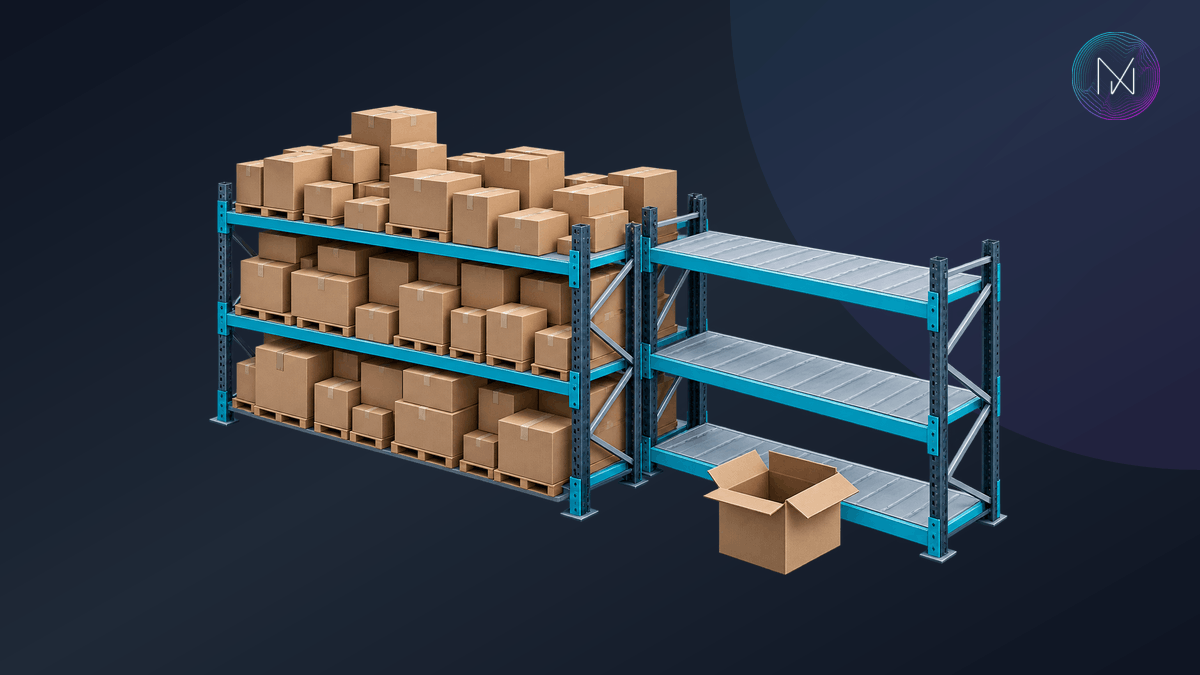
A warehouse can be full while the sales team still cannot supply what customers want. Slow-moving lines take up space. Popular items run short. Buyers place urgent orders, and staff spend time explaining delays to customers who expected a straightforward delivery.
For a business owner, that creates pressure from both sides: money is tied up in stock, while orders that should bring money in are waiting.
Buying more can make the problem worse if the business buys the wrong items or misses stock already on order. Cutting stock across the board can leave important lines short.
The useful question is whether your stock matches the orders you need to fulfil.
NexWave’s wholesale and distribution solution connects stock, purchasing, sales and accounting. It gives your team a shared record to work from when deciding what to buy, what to move and what to deliver. Here are five areas worth reviewing.
1. Where is your stock investment sitting?
A single stock-value figure can hide very different problems. One range may sell steadily, another may have stopped moving, and a third may hold up customer orders whenever it runs short.
Review stock by item and warehouse, then compare it with sales demand. Look at quantities, value, movement and age together. A large balance needs context: it may be a planned seasonal purchase, or it may be stock the business keeps buying out of habit.
NexWave’s Stock Balance report shows quantities and values by item and warehouse. It also offers stock-ageing data and a breakdown by warehouse bin.
That gives managers a starting point for decisions about replenishment, transfers and slow-moving ranges. The purpose is to put purchasing money behind the lines the business needs, while finding a plan for stock that is sitting too long.
2. What stock can you actually promise to customers?
Stock on hand is only part of the picture. Some may already be committed to other orders. Some may be at another branch. More may be on a purchase order, with a delivery date that does not meet the customer’s deadline.
Consider a distributor that has plenty of stock across the business but keeps delaying orders for one fast-selling part. The buyer sees an incoming purchase order and holds off buying more. Sales sees a customer who needs the part this week. Both teams need the quantities and the dates before they can agree what to do.
NexWave’s stock-planning reports bring on-hand stock, open supply and committed demand into the review. Its Stock Projected Quantity report includes open requests, open orders and reserved quantities. Your team can use those records alongside supplier delivery dates and customer requirements to decide what can be supplied and when.
This helps purchasing and sales work from the same information. A recorded future receipt can inform a plan; the team still needs to check whether it will arrive in time.
3. Are purchasing rules keeping up with the business?
Reorder settings can become outdated as a distributor grows. Sales patterns change. Suppliers take longer. Pack sizes or minimum order quantities change. A rule that worked for one warehouse may be unsuitable for another.
Review the lines that repeatedly run short and the lines that keep accumulating. Check the reorder level, normal replenishment quantity, supplier lead time and warehouse used for the availability check.
NexWave supports warehouse-based reorder rules and automatic Material Requests. When enabled, its daily check compares projected quantity with the configured reorder level and creates a request when that level is reached.
Your purchasing team can then review the request and prepare the purchase order. Existing open requests and purchase orders form part of projected supply, helping the team see why another request may not be needed.
For the owner, the benefit is a repeatable purchasing process with clear rules. The team can focus its attention on changing demand, late suppliers and unusual orders, while reviewing the rules as conditions change.
4. Is stock getting stuck between receipt and despatch?
An order can be delayed even when the goods are in the building. Stock may still be in receiving, waiting for putaway, or recorded in a location that does not match the shelf.
These delays need a different response from a shortage. Buying another shipment will not fix goods that the warehouse cannot find or pick.
NexWave supports bin-level stock records and bin-aware picking from Sales Orders. The process links the Sales Order, source bins, physical picked quantities and the Delivery Note. It helps the team distinguish goods that have arrived from goods ready to pick: received stock needs to be put away into a usable storage or picking bin.
For managers, that creates a clearer handover from order to warehouse to delivery. The team can investigate whether a delay needs purchasing action, putaway work, a stock correction or completion of a pick.
Clear bin labels and accurate movements remain part of the job. NexWave gives the team records to maintain and check, so stock availability has a physical location behind it.
5. Are you reviewing the cost of the stock you buy?
A low supplier price is only part of an import purchase. Freight, duty and other eligible costs can change the value of the goods. Buying a larger quantity to secure a discount also commits more money and warehouse space.
NexWave supports allocating eligible landed costs to received stock. This lets the business record relevant extra costs against the goods they relate to and review stock value with those costs included.
Bring that information into purchasing decisions alongside demand, supplier terms and expected time on the shelf. It helps owners assess whether a purchase supports the business’s needs and use of cash.
Give the team one set of priorities
A useful stock review should end with decisions and owners. For each important exception, agree the next action:
- Stock sitting too long: review future buying and agree what to do with the existing balance.
- Orders waiting for goods: check the shortage, incoming supply and required dates.
- Stock at the wrong location: decide whether a transfer or warehouse correction is needed.
- Goods received but unavailable to pick: complete the putaway or resolve the stock record.
- Repeated urgent purchases: review the demand assumptions, supplier performance and reorder rules.
NexWave connects the records behind those decisions. Owners can review purchasing, stock and customer orders as parts of the same business process, with a clear next action for the team.
See where NexWave can help your distribution business
Bring one item you keep too much of and another that regularly holds up orders. The NexWave team can show how stock balances, open demand, incoming purchases and warehouse locations fit together, then identify the setup or process changes your business needs.
Book a NexWave demonstration to see how a connected distribution system can help your team make better stock and fulfilment decisions.
See where your stock process can improve
Bring one item you keep too much of and another that regularly holds up orders. See how NexWave connects the records behind your next stock decision.
REQUEST A DEMORelated Articles
Odoo vs NexWave: Which ERP Fits a Growing New Zealand Business?
Compare Odoo vs NexWave for NZ businesses. See how local experience, flexible customisation and no monthly code maint...
Real-Time Shopify Inventory Sync for Growing NZ Retailers
Overselling and underselling both come from the same place: stale inventory numbers. NexWave keeps Shopify stock leve...